
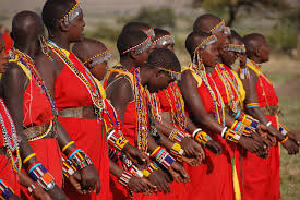
Africa’s richness in culture can be attributed to several key factors that have shaped its diverse and vibrant heritage over millennia:
- Historical Diversity: Africa is home to a vast array of ethnic groups, each with its own distinct traditions, languages, and customs. This diversity stems from centuries of migrations, interactions, and the formation of various kingdoms and societies across the continent. As a result, Africa’s cultural landscape is incredibly rich and multifaceted.
- Geographical Diversity: The geographical features of Africa, including deserts, savannas, rainforests, mountains, and coastlines, have influenced the lifestyles, livelihoods, and cultural practices of its inhabitants. For example, the Maasai people of East Africa have developed a unique pastoralist culture suited to the semi-arid landscapes they inhabit, while communities in forested regions have traditions and knowledge related to hunting, gathering, and agriculture.
- Colonial Legacy and Resistance: Colonialism played a significant role in shaping modern African cultures, often leading to the blending of indigenous practices with those of colonizers. However, African societies also fiercely resisted colonial rule, preserving their languages, customs, and identities. This resistance contributed to the resilience and diversity of African cultures today.
- Oral Tradition and Storytelling: Across Africa, oral tradition has been a primary means of preserving history, myths, legends, and values. Griots, storytellers, and elders pass down knowledge through spoken word, music, and performance, ensuring the continuity of cultural heritage and wisdom across generations.
- Artistic Expression: African art, including sculpture, painting, music, dance, and literature, reflects the depth and diversity of cultural expression. Art has historically served various purposes, from religious and ceremonial to decorative and communicative, allowing for the exploration of themes such as spirituality, identity, social issues, and historical narratives.
- Spirituality and Belief Systems: Traditional African religions and belief systems, as well as the influence of Islam and Christianity, have profoundly shaped cultural practices, rituals, and worldviews. Concepts of spirituality, ancestor veneration, cosmology, and moral values are embedded in everyday life and artistic expressions.
- Global Influences and Diaspora: Africa’s interactions with the rest of the world, including trade, migration, and cultural exchanges, have enriched its cultural tapestry. The African diaspora, resulting from historical events such as the transatlantic slave trade, has also contributed to the global spread of African cultural elements, influencing music, dance, cuisine, language, and identity in various regions.
Overall, Africa’s richness in culture is a testament to its historical, geographical, social, and spiritual complexities, as well as the resilience and creativity of its diverse peoples. The continent’s cultural heritage continues to evolve and thrive, embodying a wealth of traditions, knowledge, and artistic expressions that inspire and resonate with people worldwide.
 Culture, Lifestyle
Africa is rich in culture
November 3, 2018
0
Culture, Lifestyle
Africa is rich in culture
November 3, 2018
0
 travel & Adventure
5 awesome places to visit in Africa
November 3, 2018
0
travel & Adventure
5 awesome places to visit in Africa
November 3, 2018
0

 No products in the cart.